2026 Mercedes GLC EQ: The Mercedes Electric SUV Set to Redefine the Premium Segment
The 2026 Mercedes GLC EQ, which Mercedes-Benz officially presents as the GLC with EQ technology, marks a new chapter for one of the brand’s most strategic SUVs. With this 100% electric version, the German automaker isn’t just electrifying a best-seller: it’s completely reimagining the model to offer an SUV that’s more efficient, more digital, and more capable on long trips.
On its official French website, Mercedes clearly highlights three key promises: up to 715 km of electric range in the WLTP combined cycle, over 300 km of range recovered in 10 minutes, and a level of onboard technology worthy of the most advanced models in the lineup. On paper, the new electric GLC aims to redefine the premium SUV segment by combining luxury, innovation, and true versatility.
A more sophisticated, more high-tech, and more recognizable design
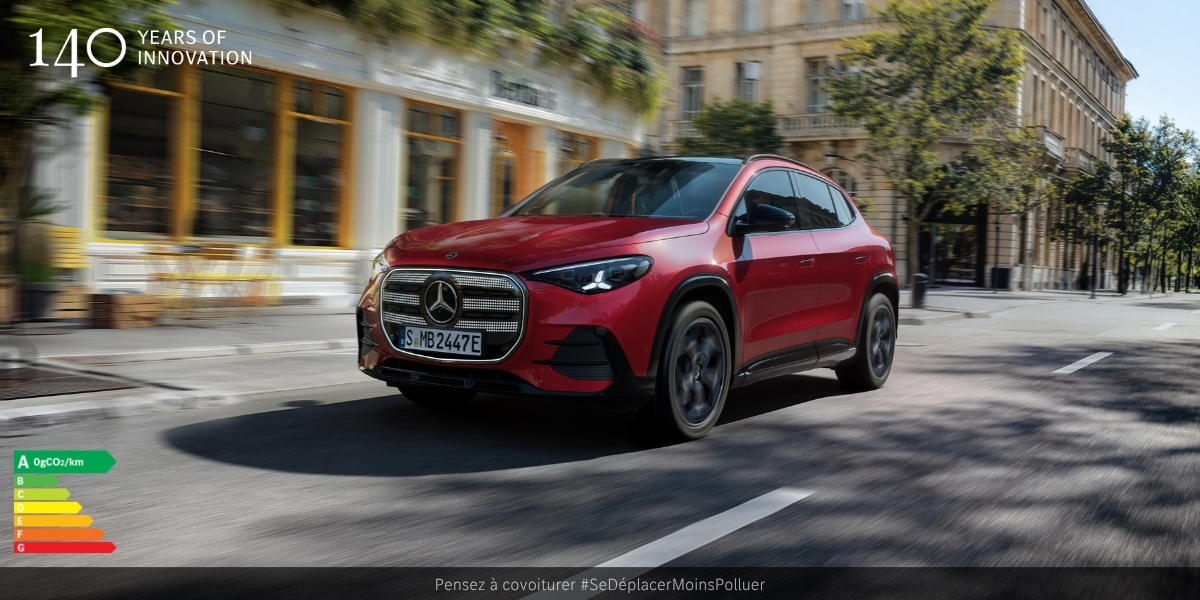
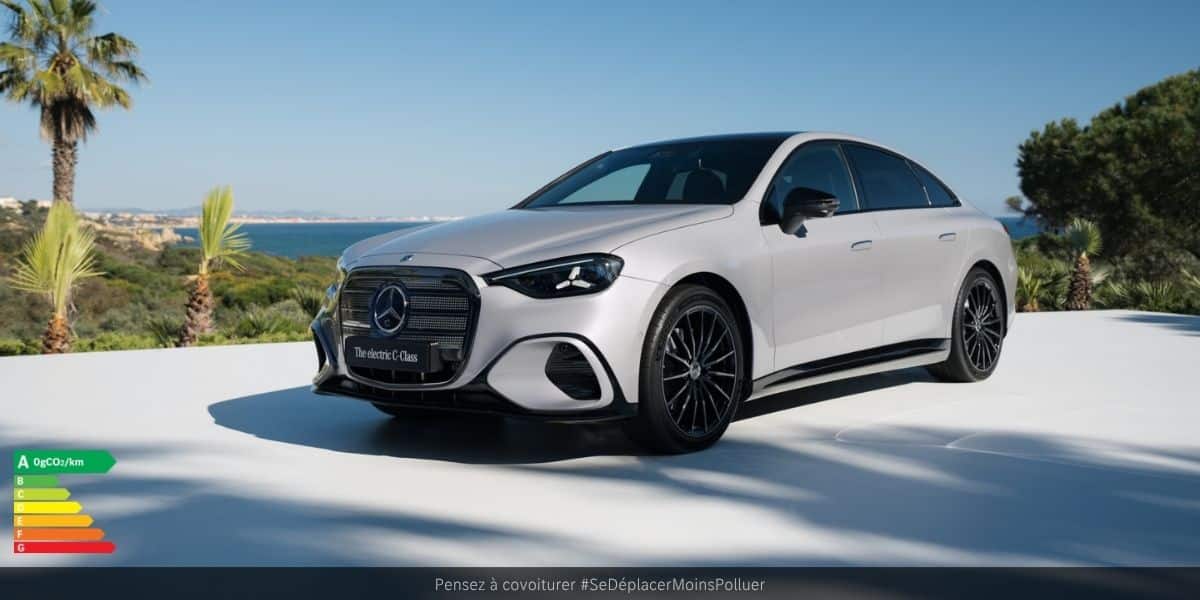
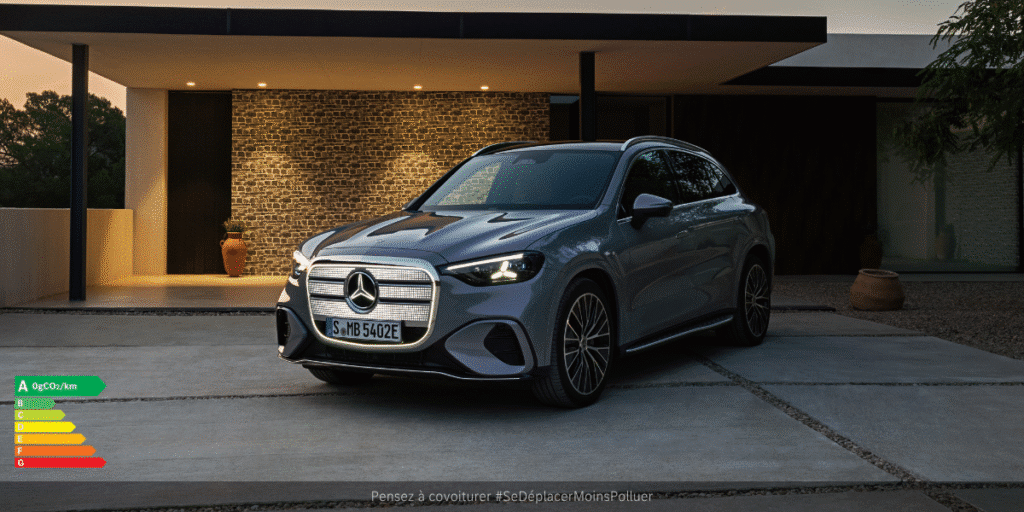
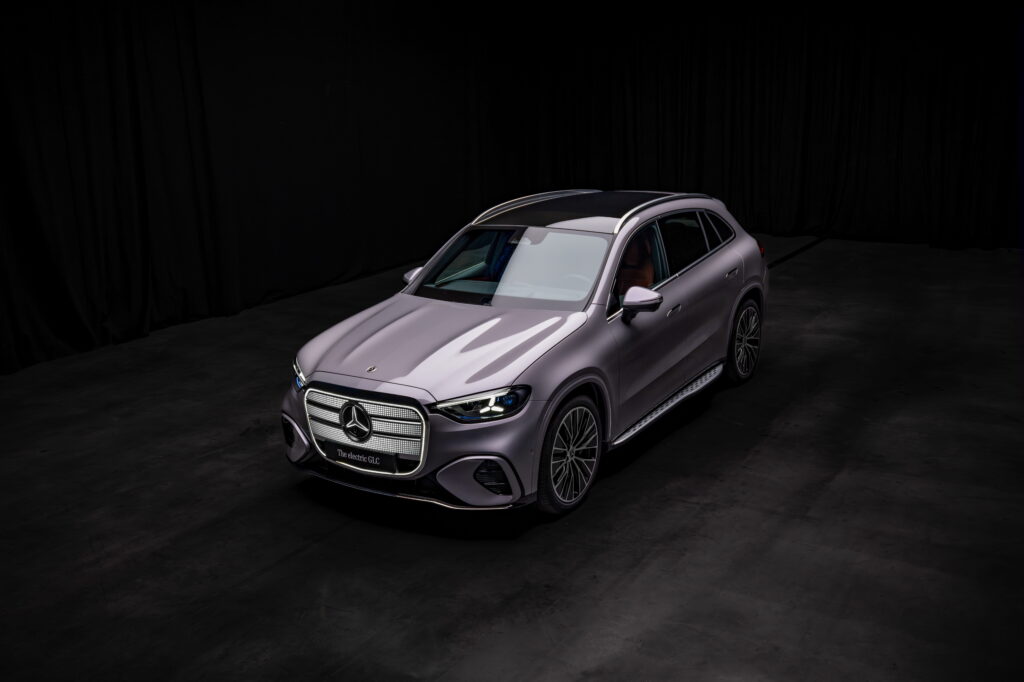
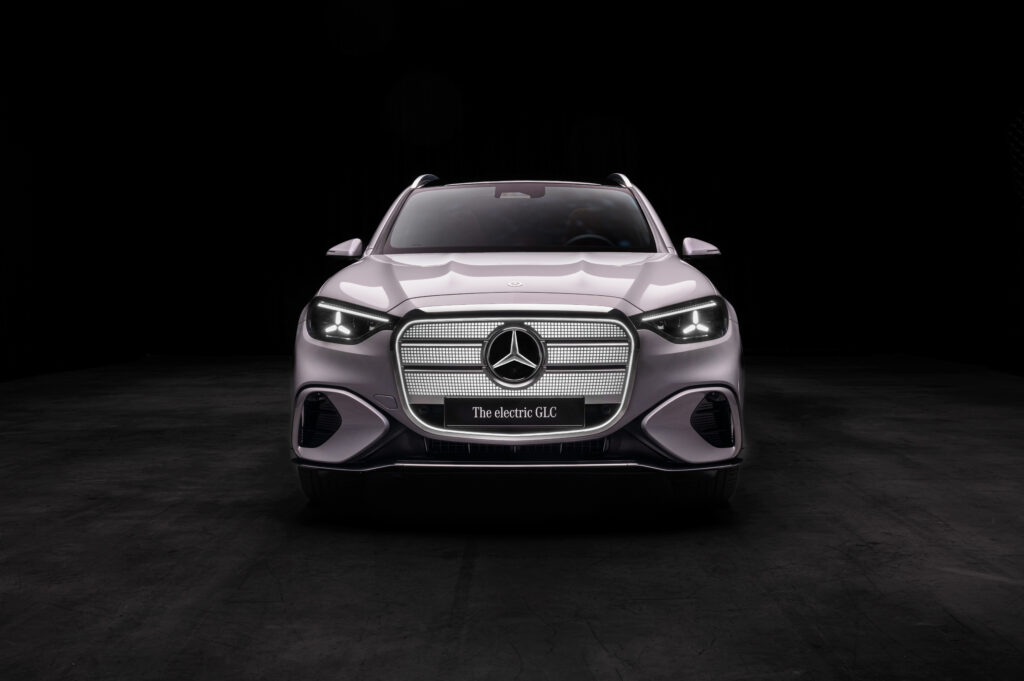
At first glance, the new GLC with EQ technology makes a strong statement. Mercedes describes it as a model with a coupe-like silhouette and refined proportions, highlighted by an iconic illuminated grille. This visual design gives the vehicle an immediate presence and identifies it as a model of a new generation, one that is more focused on electric power and light as a brand signature.
This stylistic choice is significant from a marketing perspective. This is not simply a GLC converted to electric power, but rather an SUV with its own distinct personality. In an automotive landscape where many models look alike, Mercedes is seeking to create a strong visual identity that is both premium and futuristic.
Up to 715 km of range: the figure that’s changing perceptions of the electric GLC
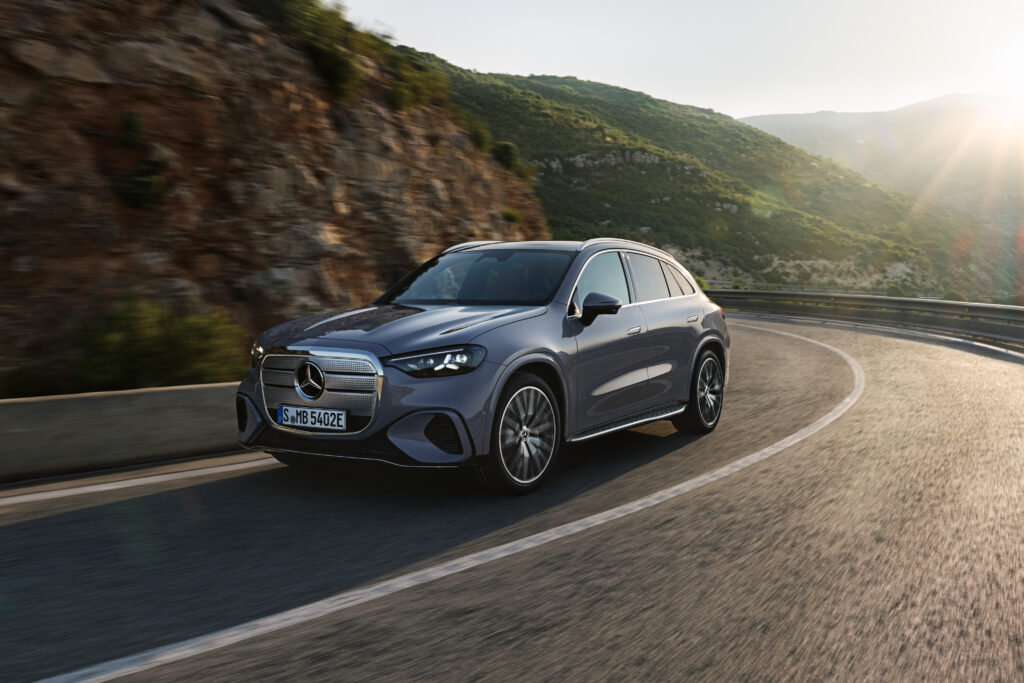
This is undoubtedly the strongest selling point of this launch. Mercedes-Benz states on its official website that the new electric GLC offers up to 715 km of electric range in the WLTP combined cycle. At a time when range remains a decisive factor in the shift to electric vehicles, this figure immediately positions the model among the most ambitious premium SUVs in its class.
This positioning is strategic. With such a high advertised range, the 2026 Mercedes GLC EQ is no longer limited to urban or suburban use. It also appeals to drivers who drive a lot, travel regularly, or simply want to reduce the frequency of charging. In short, Mercedes aims to reassure those who expect the same level of freedom from an electric SUV as they do from a large gasoline-powered SUV.
However, it is important to distinguish between the maximum range promised by the brand and the technical specifications listed for the GLC 400 4MATIC with EQ technology, which is rated at 673 km of electric range. This distinction is important to maintain accuracy in a serious and credible SEO article.
Ultra-fast charging: over 300 km of range in 10 minutes
Another key selling point of the new 2026 Mercedes GLC EQ is its charging capability. Mercedes claims it can recover over 300 km of range in 10 minutes—a strong message for anyone still hesitant to switch to electric vehicles due to concerns about lengthy charging times.
Specifically, the official technical specifications for the GLC 400 4MATIC with EQ technology indicate a range of 240 to 305 km in 10 minutes (WLTP), with a maximum DC charging power of 330 kW. Mercedes also reports a charging time from 10% to 80% in 22 minutes and a usable battery capacity of 94 kWh. The system relies on an 800-volt DC charging system, touted as a major performance enabler at compatible fast-charging stations.
In other words, the new electric GLC aims to address one of the main objections raised against electric vehicles: charging time. This is a key factor for search engine optimization, as queries related to fast charging, battery capacity, and real-world range are among the most frequently searched terms on Google.
489 hp, all-wheel drive, and 0 to 100 km/h in 4.3 seconds
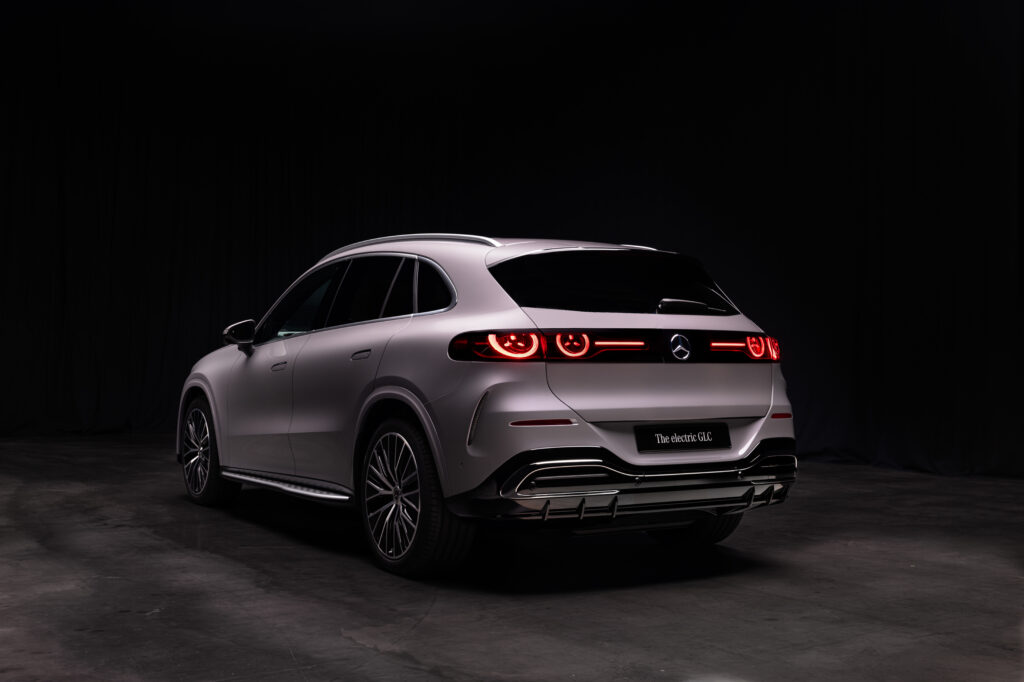
The 2026 Mercedes GLC EQ isn’t just about efficiency. The official specs for the GLC 400 4MATIC with EQ technology list 360 kW (489 hp), 800 Nm of torque, all-wheel drive, 0 to 100 km/h in 4.3 seconds, and a top speed of 210 km/h. This is clearly a premium electric SUV capable of delivering true performance.
This positioning is consistent with Mercedes-Benz’s DNA. The model aims to appeal to customers seeking comfort, technology, and genuine power reserves. The electric GLC does not present itself as a “reasonable” SUV in the strict sense, but as a well-rounded vehicle capable of delivering high-end performance across all driving conditions.
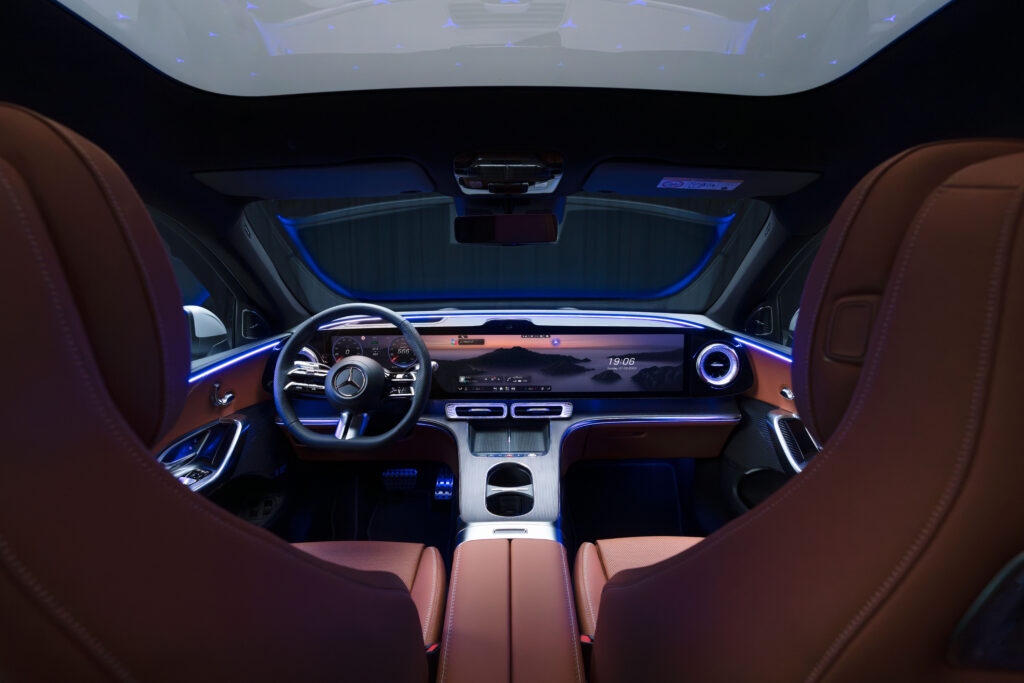
A highly digital interior, dominated by the MBUX Hyperscreen
Inside, Mercedes takes the technological experience even further. The brand highlights a 39.1-inch (99.3 cm) MBUX Hyperscreen that spans the entire dashboard with a seamless display. Mercedes notes that this is an optional feature.
The in-car experience doesn’t stop there. The GLC with EQ technology can also be equipped with an MBUX augmented navigation head-up display, which projects important information into the driver’s field of view. Mercedes also emphasizes the seamless integration of the driver, center, and passenger screens to create a cohesive, intuitive, and immersive digital environment.
Premium comfort and innovations designed for real-world use
Mercedes isn’t limiting its focus to range and digital features. The automaker is also highlighting a Technical Package featuring AIRMATIC air suspension and rear-axle steering, for enhanced driving comfort, greater agility, and a tighter turning radius. The brand also mentions comfort suspension systems capable of continuously adapting the ride characteristics to road conditions.
Another interesting feature: the transparent hood, which displays a virtual view of the area directly in front of the vehicle on the central screen, particularly on slightly uneven terrain. This innovation reinforces the concept of a tech-forward SUV, designed to simplify daily use and ensure safe maneuvering in more challenging situations.
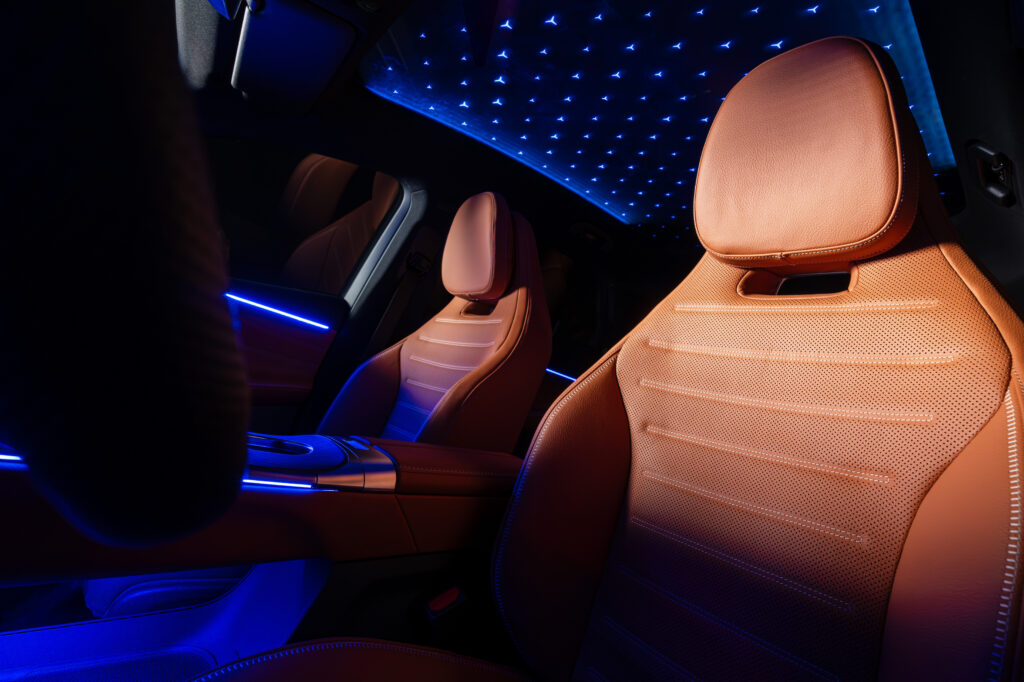
Finally, Mercedes also highlights the SKY CONTROL panoramic roof, which can adjust the transparency of the glass to modulate light levels and climate comfort inside the cabin. Here again, the focus is on a premium experience and fine-tuned personalization.
The 2026 Mercedes GLC EQ is shaping up to be one of Mercedes-Benz’s most significant launches in the premium electric SUV segment. The model has a clear ambition: to offer a vehicle that combines a long range, fast charging, advanced onboard technology, premium comfort, and true versatility.
In an increasingly competitive market, the new electric GLC aims to establish itself not just as a new model, but as a benchmark. And if it delivers on its promises on the road as well as on paper, it could well become one of the most desirable Mercedes electric SUVs of its generation.
FAQ
Mercedes-Benz met en avant jusqu’à 715 km d’autonomie électrique en cycle combiné WLTP pour le nouveau GLC électrique. La fiche technique du GLC 400 4MATIC avec technologie EQ affiche, elle, 673 km.
La fiche officielle du GLC 400 4MATIC avec technologie EQ mentionne 360 kW, soit 489 ch, avec 800 Nm de couple.
Mercedes annonce plus de 300 km récupérés en 10 minutes. Sur la fiche technique du GLC 400 4MATIC avec technologie EQ, la plage indiquée est de 240 à 305 km en 10 minutes (WLTP).
Mercedes indique un temps de charge rapide de
10 à 80 % en 22 minutes sur le GLC 400 4MATIC avec technologie EQ.
* Consommations et données WLTP : les valeurs mentionnées dans cet article proviennent des informations communiquées par Mercedes-Benz France pour le GLC 400 4MATIC avec technologie EQ et pour la présentation officielle du modèle. La marque met en avant jusqu’à 715 km d’autonomie électrique en cycle combiné WLTP et plus de 300 km récupérés en 10 minutes. La fiche technique du modèle affiché précise notamment une consommation combinée de 15,8 kWh/100 km, une autonomie électrique de 673 km, une autonomie en mode électrique en cycle urbain de 808 km, une puissance de 360 kW (489 ch), un couple de 800 Nm, une charge rapide DC jusqu’à 330 kW, un temps de charge 10-80 % en 22 minutes et une batterie utile de 94 kWh. Ces valeurs peuvent varier selon la configuration, les conditions d’utilisation, la température extérieure, le style de conduite et le parcours.